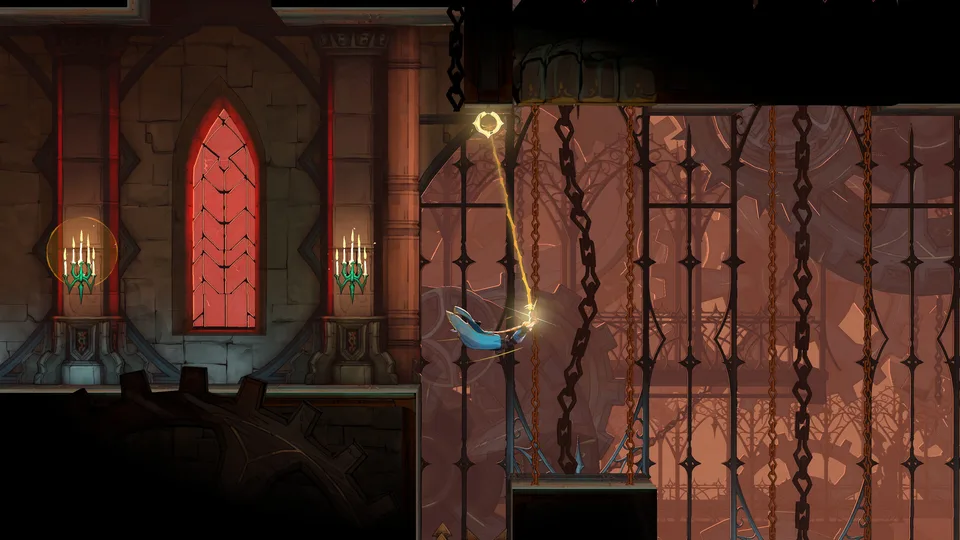
When diving into Konami's latest vampire-hunting epic, players often wonder about castlevania belmont's curse switch 1 performance compared to other platforms. Evaluating how demanding titles scale on hybrid hardware is crucial for action platformer fans who value smooth inputs and fast responses. Knowing what to expect before booting up your console saves you from unexpected stuttering during intense boss battles.
The game launches alongside various port updates, yet running side-scrolling action smoothly requires careful hardware consideration. According to community report feedback and technical assessments from sources like [RPG Site](https://www.rpgsite.net/feature/21548-castlevania-belmont's curse-steam-deck-recommended-settings-full-game-rog-ally-fix-msi-claw-onexplayer-3), hardware limitations on older hybrid chips can impact visual clarity. In the following sections, we break down frame pacing, loading metrics, and display configurations to help you make the best choice for your gaming setup.
Platform Comparison and Technical Specs
Platform optimization dictates how well side-scrolling mechanics translate onto portable devices. While modern handhelds or current-gen hardware easily maintain high refresh rates, older systems require compromises in resolution and asset streaming.
Platform / Device
Target Resolution
Average Framerate
Loading Times
Visual Fidelity
Nintendo Switch 1
720p (Handheld)
30 - 60 FPS (Drops)
Extended / Slow
Soft / Blurry
ROG Ally (25W)
1080p
60+ FPS (Stable)
Fast
Crisp
Steam Deck (Default)
Variable
Inconsistent
Moderate
Variable (Needs Fixes)
MSI Claw / OneXPlayer
1080p
90 - 144 FPS
Very Fast
High Detail
As shown in the hardware breakdown, castlevania belmont's curse switch 1 performance struggles more with long loading screens and frame pacing inconsistencies than its PC handheld counterparts. Player experience indicates that while the title remains playable in portable mode, docked play on high-resolution displays exposes noticeable scaling artifacts.
Handheld Optimization and Display Settings
Tweaking visual configurations can significantly improve your gameplay experience. Because the title includes basic display toggles rather than deep upscaling features, mastering the available settings is essential.
Verify your display mode is set to fullscreen or borderless to avoid cropped margins.
Match your system refresh rate to stable parameters if your device supports customizable quick access menus.
Avoid excessive anti-aliasing toggles if you notice frame drops during rapid movement sequences.
According to player experience logs, users encountering initial black screens or bizarre scaling on alternative portable systems often resolve them by adjusting refresh rate ceilings or forcing 720p/1080p resolutions. While the Nintendo Switch version lacks these advanced graphical sliders, keeping your firmware updated helps mitigate baseline input lag.
Evaluating Demo Limitations Versus the Full Release
When discussing performance metrics, it is vital to distinguish between trial versions and the complete retail build. Demo versions provided by publishers often represent an earlier development branch or a locked vertical slice.
Tip
Avoid Confusing Demos with Full Builds: Trial content, planned release features, and initial reviews must remain separate. Player feedback regarding trial limitations should never be assumed to mirror the finalized software version entirely.
Konami structured the release schedule so that players could test mechanics before purchasing, but early build quirks might persist in the initial retail version until subsequent patches arrive. Always check patch notes to see if launch-day updates have altered loading efficiency on your chosen platform.
Frequently Asked Questions
Does Castlevania Belmont's Curse run smoothly on Nintendo Switch 1?
Player experience suggests that castlevania belmont's curse switch 1 performance is functional but rough, featuring extended loading times and occasional frame drops during demanding combat sequences.
Are there graphics settings available on PC and handhelds?
The PC port provides options for V-Sync, resolution scaling, frame rate caps, and anti-aliasing modes like FXAA and SMAA, though deeper upscaling toggles are absent.
Should I play the trial version before buying the full game?
Yes, checking out the demo helps you test baseline mechanics, but remember that demo limitations do not always reflect the full game's update roadmap or later patch stability.